






Digital Supply Chain Programme: Made Smarter Innovation | Digital Supply Chain Hub
Creating a virtual hub, data observatory and network of industrial living labs to optimise information flows across manufacturing supply chains.
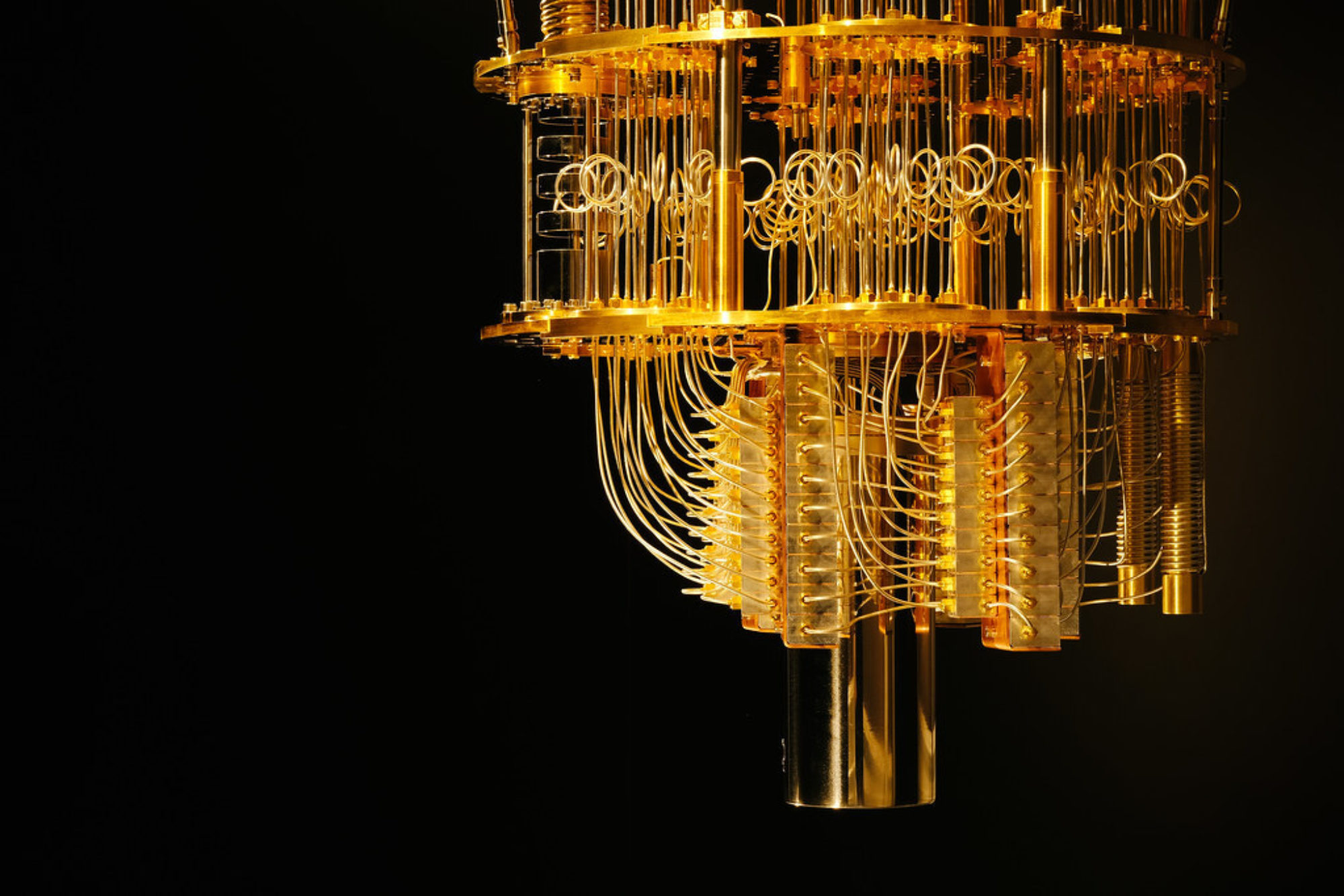
Digital Catapult’s Quantum Technology Access Programme is raising awareness, educating end users, and fostering industry partnerships to drive the future practical adoption and commercialisation of quantum computing. During this unique programme, quantum experts from Digital Catapult and ORCA Computing supported a range of industrial participants to explore novel quantum computing use cases.
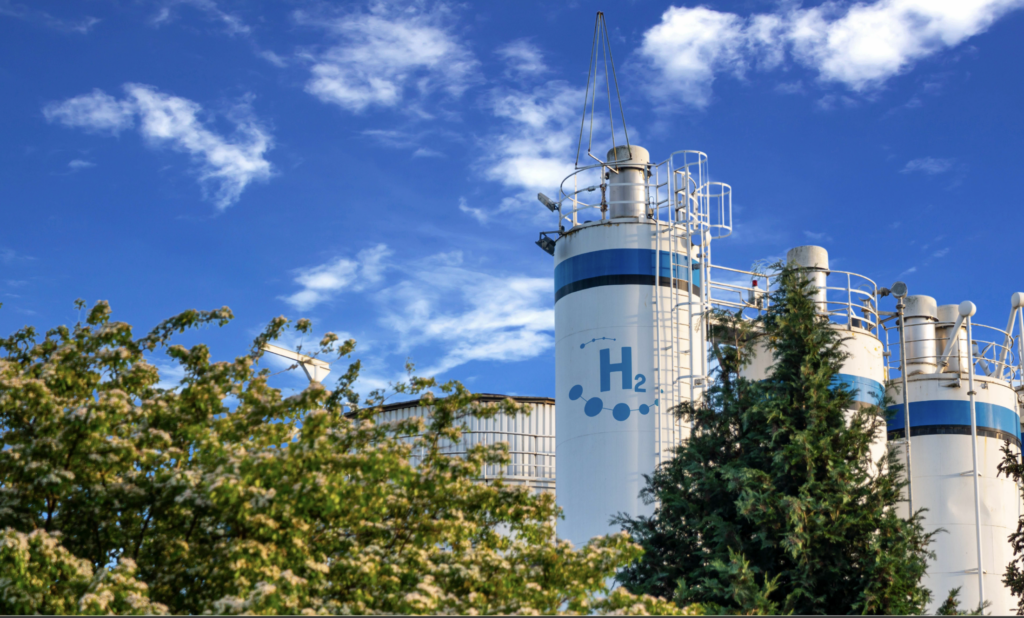
SIMULEX is a cutting-edge startup driving hydrogen integration across carbon capture and storage, geothermal, renewable and fossil fuel sectors to accelerate the energy transition through advanced chemical and reservoir engineering solutions. It joined the second programme cohort and investigated quantum computing impacts on hydrogen energy systems.
Energy system optimisation was explored during the first cohort of the Quantum Technology Access Programme by both DNV and Frazer Nash. Where SIMULEX’s approach differed was the inclusion of hydrogen storage, which was not part of either of the other energy optimisation use cases, deepening the focus on optimising renewable resource usage across the UK’s energy system.
SIMULEX looked at the optimisation of Green Hydrogen Energy System (GHES) simulations. The GHES is the core module of Net Zero Energy Modular Systems (NZEMS), which is currently in development. It enables the assessment, design and optimisation required to achieve the best GHES solution, comprising renewable energy sources (such as wind and solar), hydrogen production via water electrolyser (alkaline, PEM, etc.), hydrogen storage (tanks, underground storage, etc), and fuel cells, to ensure reliability, technical and economic effectiveness, and sustainability. The system’s optimisation involves maximising utilisation of renewable resources available and minimising energy losses, determining the optimum design and configuration of the different elements of the system based on its types, energy capacities and cost, balancing the supply and demand of the grid whilst accounting for renewable energy variability, minimising costs and reducing environmental impact.
After education and training on quantum computing, the SIMULEX team worked with quantum computing experts at Digital Catapult and ORCA Computing to formulate the problem based on a nap-sack formulation, a known resource allocation problem, using the ORCA Software Development Kit (SDK). This classification of problem looks at selecting items to maximize value under weight constraints. On demo day, the problem was run on the ORCA PT-2 quantum boson sampler.
The energy network problem ran successfully on the ORCA PT-2 device. An optimal allocation of resources was obtained in a few minutes. The SIMULEX team hope to further explore how this could be implemented in real time scenarios. The team already explored segmenting the optimisation into separate optimisations at set intervals of time. If decision points are taken at set time intervals, a system can operate optimally. This approach showed promising results, and the team is excited to carry on developing their approach.
You will be able to get from zero knowledge of quantum computing as us, to quantum awareness
Dr. Diana Hernandez-Baez Co founder, Reservoir Engineer, Research, Technology & Innovation Chief at SIMULEX
The Quantum Technology Access Programme has provided SIMULEX with the tools to build quantum collaborations with suppliers and academics.
Having built on the work of the participants from the first cohort, the SIMULEX team is excited to take this approach further, making better comparisons with classical approaches and estimates of quantum computing hardware specifications for quantum advantage.

Applications are open to UK businesses for the Advanced Connectivity Technologies Growth Programme, supporting UK businesses looking to scale deep…
Sector leaders join quantum innovation programme to drive UK industrial transformation

Learn how Viasat investigated quantum computing to optimise its satellite telecoms network.
Learn how SIMULEX investigated quantum computing to optimise energy networks, including hydrogen storage.
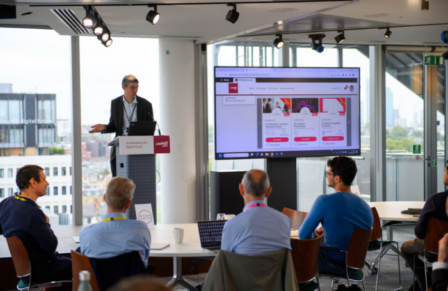
Separating opportunity from hype to understand industry challenges that may be best solved by quantum computing.
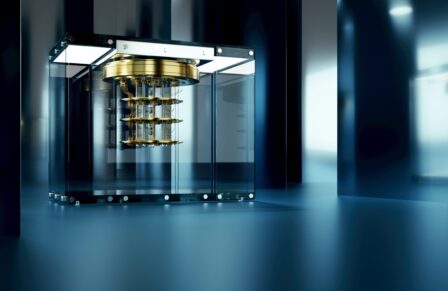

Learn how Arup investigated better bridge design using a quantum computer.

Learn how UK Atomic Energy Authority used quantum computing to help design nuclear fusion reactors.

Learn how Frazer-Nash used quantum computing to minimise the cost of energy production.