



Digital Supply Chain Programme: Made Smarter Innovation | Digital Supply Chain Hub
Creating a virtual hub, data observatory and network of industrial living labs to optimise information flows across manufacturing supply chains.

Discover how enabling technologies create dynamic virtual representations that help organisations make better decisions, accelerate innovation and improve performance.
" A digital twin is a digital representation of a real-world object, system, or process. It is connected to its real-world counterpart through a two-way data flow, meaning it mirrors it in all relevant aspects. <br><br>Digital twins help us monitor and affect the real world, simulate and test decisions before they are made, and understand the effects of different actions."
A digital twin operates through a fully connected, bidirectional data flow between a physical asset and its virtual representation. Real-time data continuously updates the model, creating a closed feedback loop that enables the system to monitor performance, simulate scenarios, optimise decisions and, where appropriate, implement or recommend changes in the physical asset.
By combining live operational data with modelling and simulation, digital twins provide actionable insights that help organisations improve productivity, reduce costs and accelerate innovation.
The UK Digital Twin Centre technology specialists provide practical support across six enabling technology areas that underpin the design, development, deployment and operation of digital twin solutions. Whether you’re exploring digital twins for the first time or advancing an existing capability, we’ll help you navigate the technologies, reduce complexity and accelerate adoption through expert guidance, hands-on collaboration and real-world application.

Real-time data ingestion, management and quality frameworks.
Standards, APIs and protocols for cross-system data sharing.

AI, ML and analytics for actionable insight.
Related content
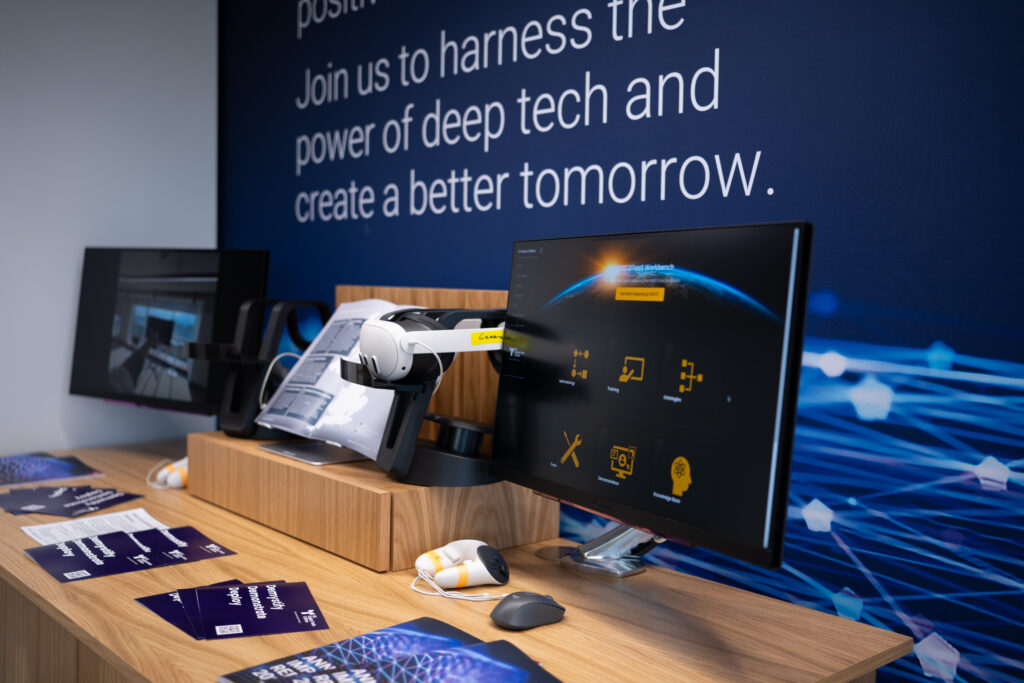
XR and spatial computing interfaces.
Related content
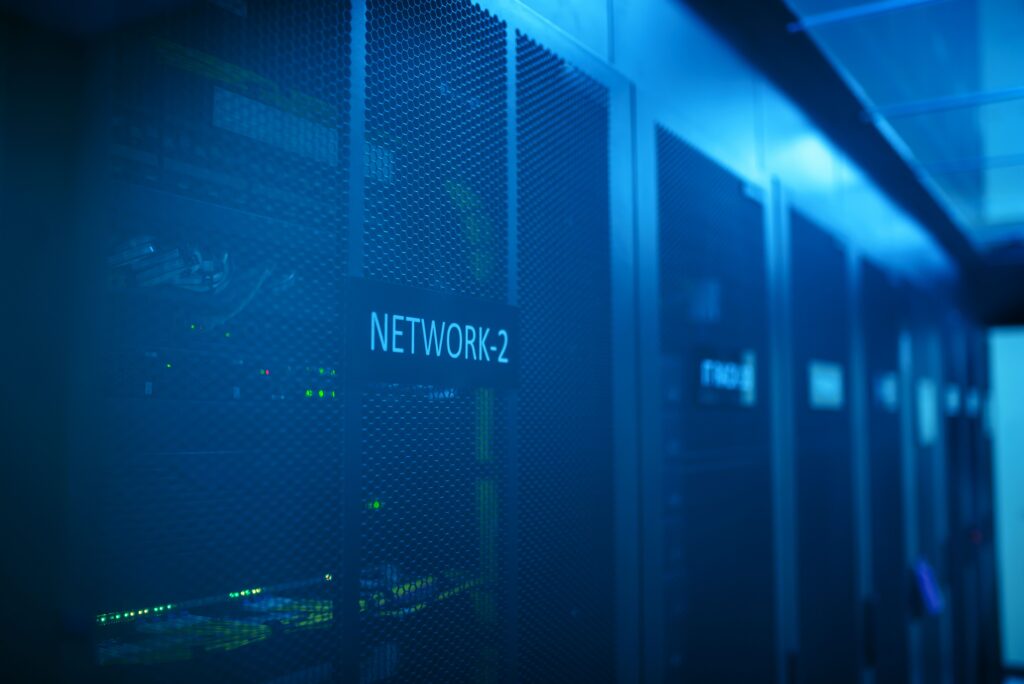
Sensors, IoT devices and edge computing.
Related content
Trust, resilience and cyber security frameworks.