





Digital Supply Chain Programme: Made Smarter Innovation | Digital Supply Chain Hub
Creating a virtual hub, data observatory and network of industrial living labs to optimise information flows across manufacturing supply chains.
For around 20 years, Sans Souci has helped organisations model operations, test decisions and understand complex systems from the inside out. Today, the Belfast-based digital transformation, business improvement and AI consultancy is helping organisations take the next step by combining operational expertise with Digital Twin technologies, automation, data intelligence and artificial intelligence.
Working across multiple sectors, Sans Souci helps organisations move beyond simply understanding how their operations function towards intelligently optimising them. Its approach begins with understanding people, processes and operational challenges before introducing the technologies needed to improve performance, reduce risk and create measurable business value.
For Sans Souci, Digital Twins represent the evolution of traditional operational modelling. By combining cloud infrastructure, real-time data and artificial intelligence, Digital Twins can move beyond static representations of physical assets to become intelligent systems capable of predicting outcomes, testing scenarios and supporting better decision-making.
As part of its work with Digital Catapult and the UK Digital Twin Centre, Sans Souci developed three demonstrators that showcase how Digital Twins can improve operational awareness, reduce risk and make advanced technologies more accessible to organisations beginning their Digital Twin journey.
Many organisations recognise the value of the operational data they generate but are unsure how to use it effectively. In sectors such as mining, energy, infrastructure and heavy industry, decisions can be expensive, complex and high risk.
A single operational mistake can have significant consequences, whether through equipment failure, production delays, safety incidents or unnecessary capital expenditure.
At the same time, many organisations perceive Digital Twins as requiring perfect data environments, specialist expertise and substantial investment before any value can be realised.
Sans Souci wanted to demonstrate that Digital Twins can be practical, accessible and scalable while showing how organisations can begin their Digital Twin journey regardless of where they currently sit on the digital maturity spectrum.
The company developed three complementary demonstrators that address different stages of Digital Twin adoption and application:
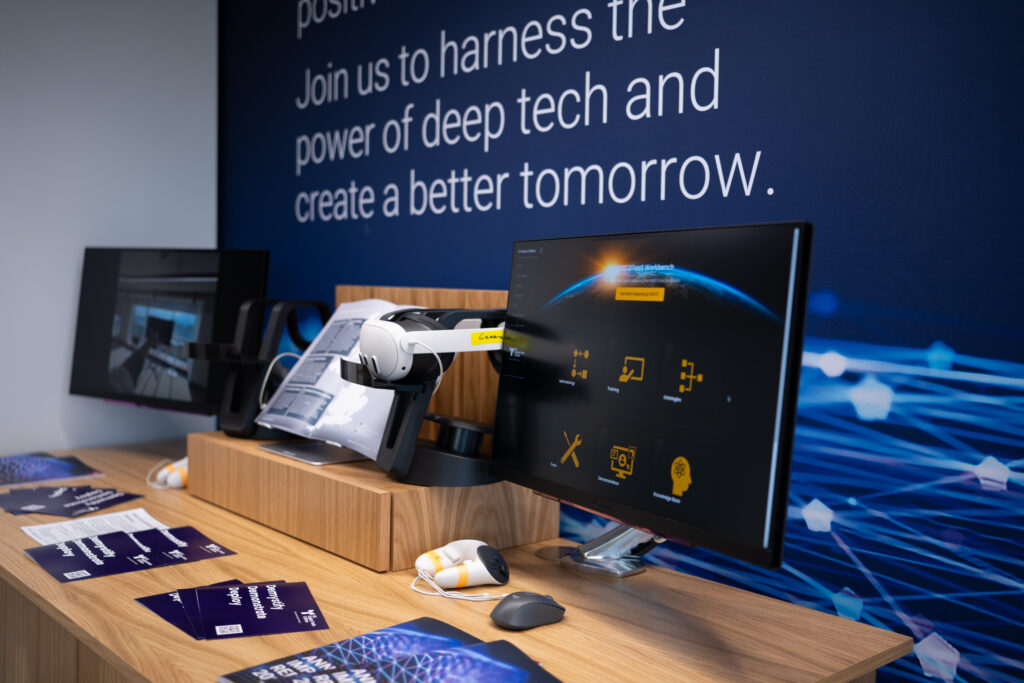
The first demonstrator is an interactive learning experience designed to help organisations understand what Digital Twins are and how they can be successfully implemented.
While many demonstrations focus on the end result, this resource focuses on the journey itself. It explains how Digital Twins are created, identifies common implementation challenges and encourages organisations to consider readiness, planning and business objectives before embarking on a Digital Twin programme.
The resource is designed to operate independently but can also be used alongside other Digital Twin demonstrations within the Centre to reinforce understanding and support learning.
The third demonstrator focuses on an autonomous reverse circulation drill rig operating in remote mining environments.
Designed with safety as a primary objective, the project demonstrates how Digital Twins can remove personnel from hazardous environments while providing real-time operational visibility and decision support.
The Digital Twin allows engineering, maintenance and training teams to understand how data from multiple sensors can be securely collected, analysed and visualised to improve operational performance. It also supports predictive maintenance activities and enables users to simulate operational scenarios without requiring access to live equipment.
The demonstrator showcases how Digital Twins can improve safety outcomes, reduce unplanned maintenance, accelerate training and create opportunities for delivering simulation-based services in the future.
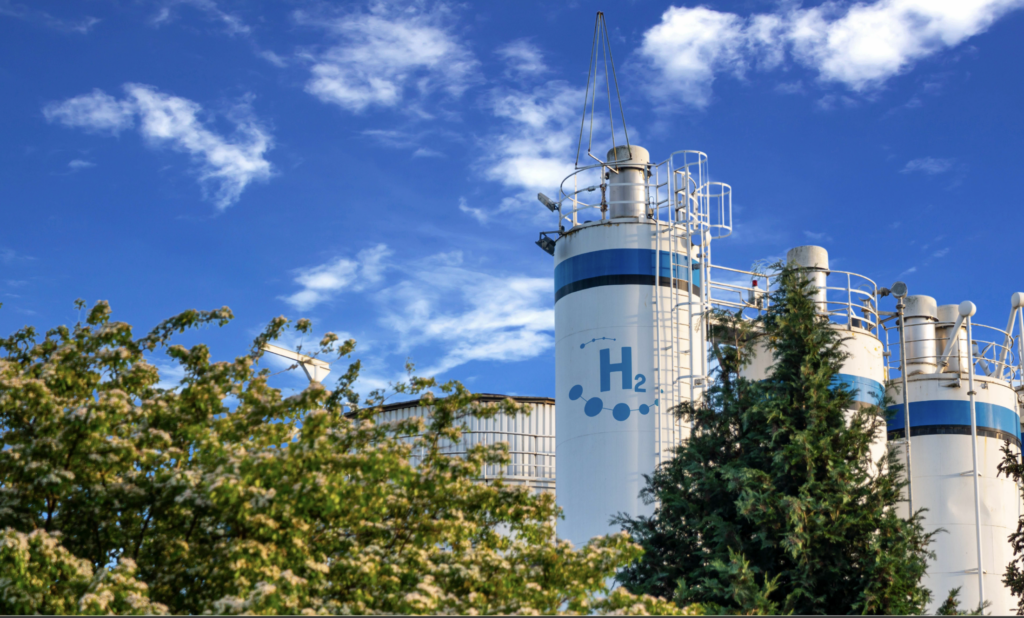
The second demonstrator showcases a Digital Twin developed from a real-world mining project involving one of the world’s first hydrogen-powered ultra-class haul trucks.
The project was created to help a global mining operator improve fleet visibility, operational oversight and predictive maintenance while exploring future hydrogen-powered operations.
The Digital Twin incorporates simulated telemetry data from onboard systems including GPS movement, payload weight, hydraulic pressure, engine temperature, braking force and tyre performance. Through a virtual interface, users can replay historical operating conditions, visualise performance and test alternative operational scenarios.
A key focus of the project is helping operators evaluate the transition from diesel-powered fleets to hydrogen-powered alternatives. By modelling hydrogen consumption, refuelling locations and operational efficiency, the Digital Twin enables organisations to test future scenarios before investing in physical infrastructure.
The demonstrator highlights how Digital Twins can support preventative maintenance, improve equipment longevity, enhance operational awareness and reduce risk while supporting long-term sustainability objectives.
A key message within all three demonstrators is the role that cloud computing and artificial intelligence now play in Digital Twin technology.
Cloud infrastructure provides the ability to store, process and stream operational data at scale, creating the foundation required for Digital Twin environments.
Artificial intelligence adds an intelligence layer that enables organisations to identify patterns, generate predictions and surface insights that would otherwise require significant manual analysis.
Together, these technologies are transforming Digital Twins from systems that simply describe operational performance into intelligent platforms capable of anticipating future events and supporting proactive decision-making.
As demonstrated through the projects, the Digital Twin was no longer simply showing what was happening – it was beginning to indicate what was likely to happen next.
Across all three demonstrators, Sans Souci highlights how Digital Twins can help organisations move from reactive operations towards predictive decision-making.
The Interactive Explainer improves understanding of Digital Twin adoption and implementation.
The Haul Truck Digital Twin demonstrates how simulation can support preventative maintenance, route optimisation, operational planning and future energy transitions.
The Autonomous Drill Rig showcases how Digital Twins can improve safety, support predictive maintenance and provide operational visibility in hazardous environments.
Collectively, the demonstrators show how Digital Twins can reduce uncertainty, improve operational awareness and provide a safe environment in which to test future scenarios before making real-world investments.
Importantly, they also demonstrate that the journey itself creates value. By understanding processes, identifying inefficiencies and continuously optimising operations, organisations often gain significant benefits long before a Digital Twin is fully deployed.
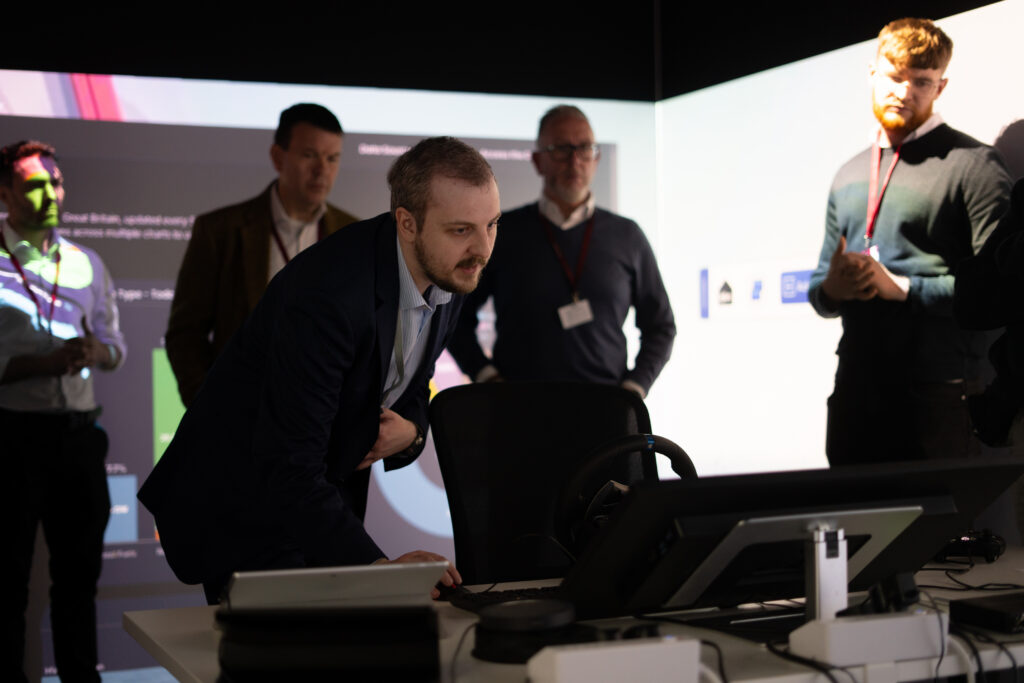
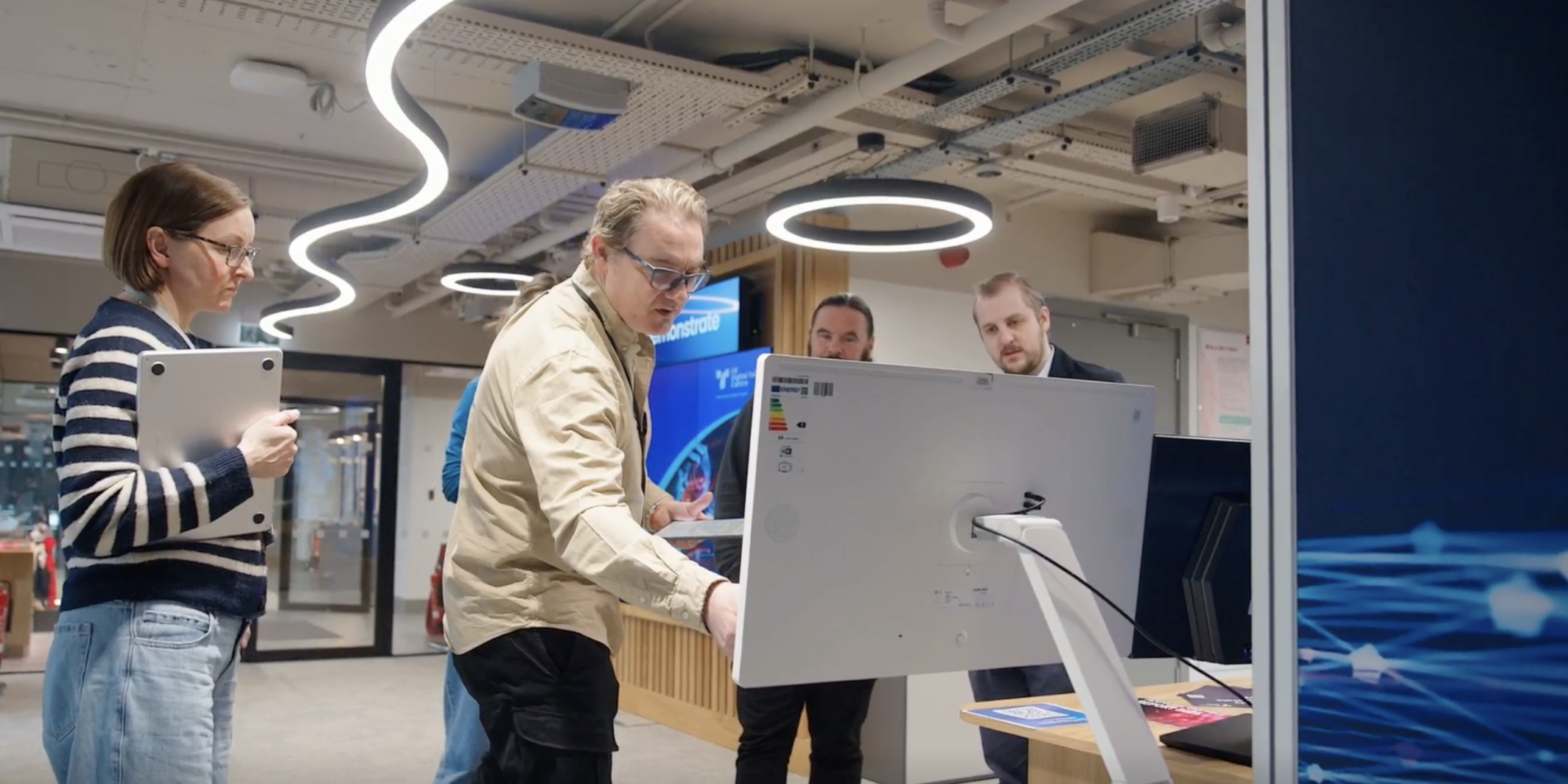
Sans Souci chose to host its demonstrators within the UK Digital Twin Centre because it offered both context and credibility.
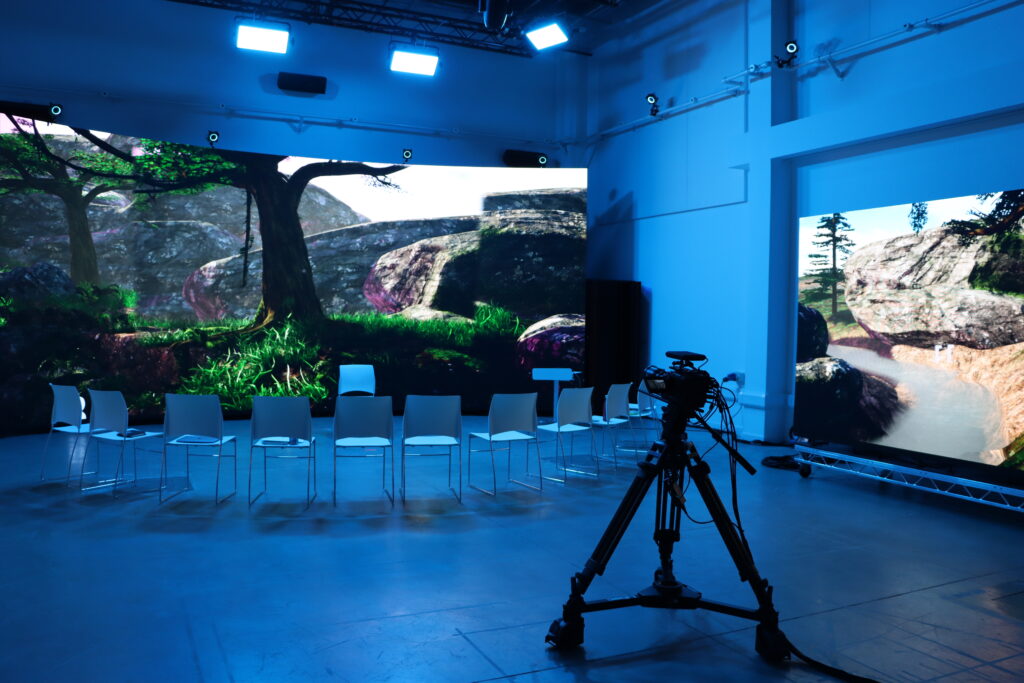
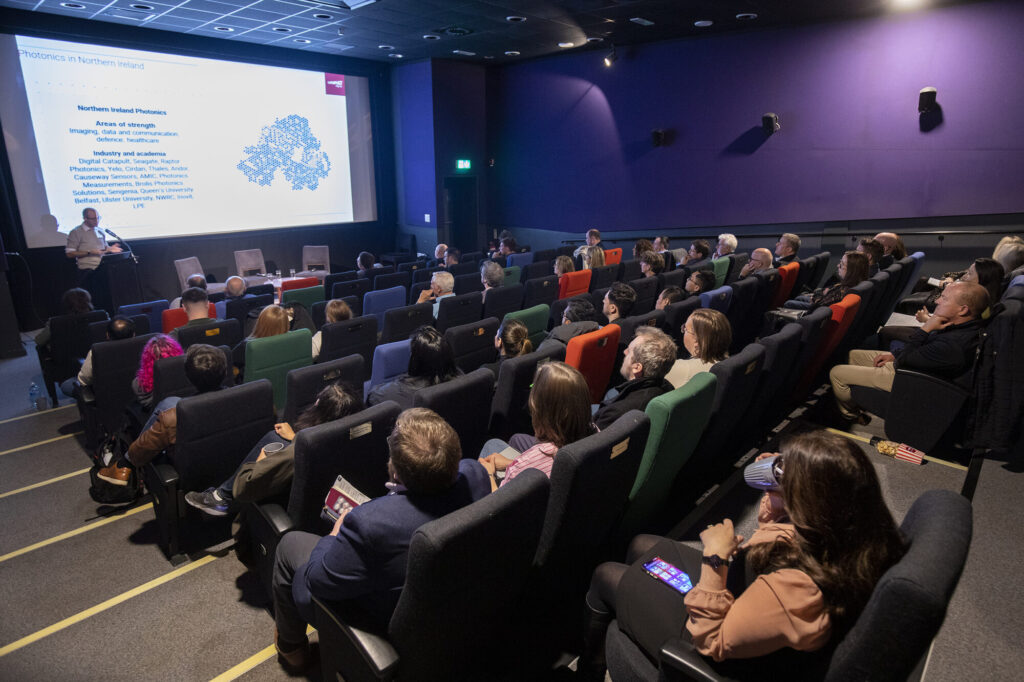
The Centre provides an environment where Digital Twin technologies can be demonstrated alongside leading practitioners, researchers and industry stakeholders. This enables organisations to see Digital Twins operating within a wider ecosystem rather than as isolated technology demonstrations.
Participation in the Centre has generated valuable conversations with industry, opened new commercial opportunities and provided insight that is directly influencing the development of Sans Souci’s own operational intelligence products, including Lync.
The experience has also reinforced the company’s position as a leading practitioner in Digital Twin-enabled operational intelligence and digital transformation.
The current demonstrators provide a strong foundation for future development.
The haul truck demonstrator could be connected directly to live operational equipment, enabling real-time telemetry and creating a fully operational Digital Twin environment.
More broadly, Sans Souci sees opportunities to expand predictive capabilities, integrate additional operational assets and create Digital Twin ecosystems that model entire operations rather than individual pieces of equipment.
As organisations increasingly seek to combine operational intelligence, AI and Digital Twin technologies, the company aims to help them move from visibility and understanding towards prediction, optimisation and continuous improvement.
Sans Souci is a Belfast-based digital transformation, business improvement and AI consultancy. The company helps organisations improve performance, reduce risk and optimise operations through a combination of operational intelligence, automation, advanced analytics, artificial intelligence and Digital Twin technologies.