






Digital Supply Chain Programme: Made Smarter Innovation | Digital Supply Chain Hub
Creating a virtual hub, data observatory and network of industrial living labs to optimise information flows across manufacturing supply chains.
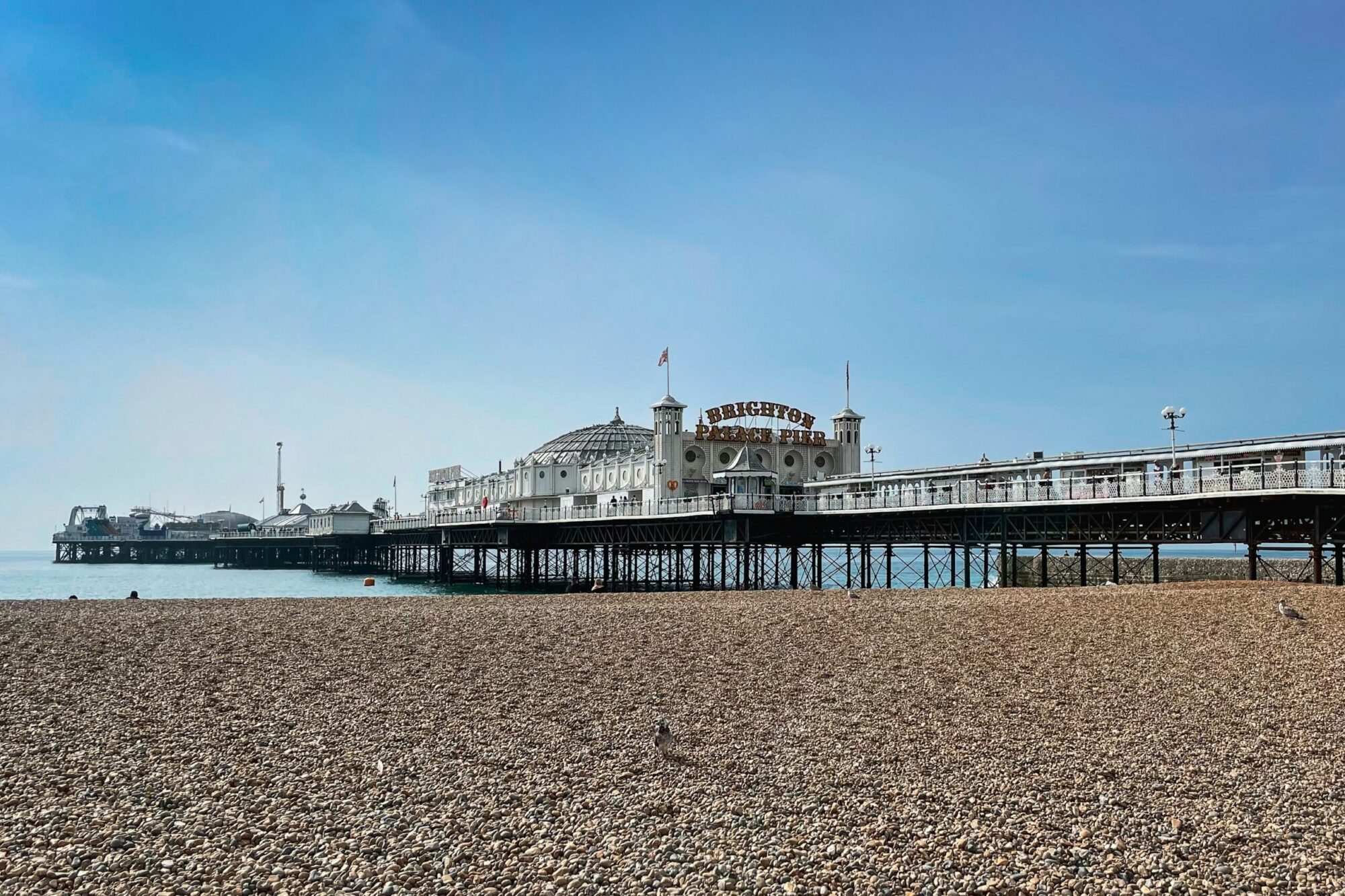
Famous for its creative community, Brighton is an ideal place to showcase how deep tech could be fused with creative activities to generate business value.
For almost ten years, the strategic collaboration between Digital Catapult and Brighton Dome & Brighton Festival (BDBF) has been an important part of Brighton’s evolution as a leading hub for immersive technologies, creative innovation, and advanced connectivity. Investments in network infrastructure. Combining high-profile cultural spaces with cutting-edge technology, infrastructure, and industry connections and expertise, this decade-long collaboration has helped transform Brighton into a testbed for the future of digital experiences.
Opened in 2018, the Brighton 5G Testbed was the UK’s first non-university 5G research and development (R&D) facility with a specific focus on driving value from 5G for the creative economy. With partners including Wired Sussex and the University of Brighton, and funded by the Coast to Capital Local Enterprise Partnership, the 5G testbed provided high growth potential startups like Camera Intelligence, Extend Robotics, Mativision, and ORI, as well as larger organisations in the region (including global engineering consultancy Ricardo) with access to ultra-fast, low-latency 5G connectivity to support testing and development of 5G-enabled products, services and applications.
The 5G testbed enabled deep tech startups to explore 5G-enabled use cases with converging technologies like augmented and virtual reality, the internet of things (IoT), edge computing and immersive performance. The 5G acceleration programme launched in Brighton has become the blueprint for Digital Catapult’s technically underpinned innovation programmes which provide access to testbed facilities and technologies that might otherwise be out of reach for small and medium sized businesses.
Over five years and four cohorts, these acceleration and innovation programmes supported nearly 200 businesses, many of which went on to secure funding and further investment to scale In 2019, Mativision raised a seed round investment of £655,000, seeing a 40% increase in sales revenue in 18 months and export revenue increased by 75%, and ORI secured £1.6 million in funding from Episode 1 Ventures and Wayra/Telefonica. Another programme participant, Sceenic, created its first “Watch Together” software solution to add value to fan engagement. Many companies around the world are now implementing this solution including BT Sport, Dutch public broadcaster NPO, and Movistar+ in Spain and Brazil.
The success of the testbed and technology access programmes led to Digital Catapult’s 5G network being extended into the Brighton Dome in 2019 through the Fibre Ring programme, funded by Coast to Capital Local Enterprise Partnership, that connected the (now closed) FuseBox with Brighton Dome and other locations, making Brighton Dome one of the first 5G-enabled cultural venues in the UK. With much larger public spaces to demonstrate the innovative solutions made available with 5G, the extension into the venue offered a larger scope for evaluating the practical application of deep tech in action with a potential “end-user”: Brighton Dome itself. The 5G testbed was designed to connect and engage three different spaces across the Brighton Dome complex: the new Creative Space for artist development, the Corn Exchange, and the Café/Bar & Founder’s Room.
With three connected, geographically distributed sites – Brighton Dome and Fusebox in Brighton and Digital Catapult in London – the 5G testbed allowed emerging and established artists and companies to explore the potential of 5G in the application of new artistic work and performance, providing audiences and visitors with the opportunity to enjoy and experience the arts in a completely different way.
With the testbed up and running, the world went into lockdown due to the Covid-19 pandemic. Despite the many challenges facing the arts and live performance sectors during this time, one project that was already underway saw an opportunity to pivot, capitalising on the capabilities of deep technology to continue to bring the best of live music performances to people during lockdown.
5G Festival, the flagship collaboration between Digital Catapult and BDBF, was a world-first hybrid live music experience. The idea for a 5G powered music festival had been conceived long before the pandemic when Digital Catapult and BDBF began discussions about how 5G technology could improve the live venue experience.
Lockdown provided an unexpected opportunity to use 5G Festival as a demonstrator for how creative talent could be blended with the power of advanced digital technologies and broadcast live directly to audiences at remote locations from world-leading venues, as well as producing brand new immersive in-venue experiences.
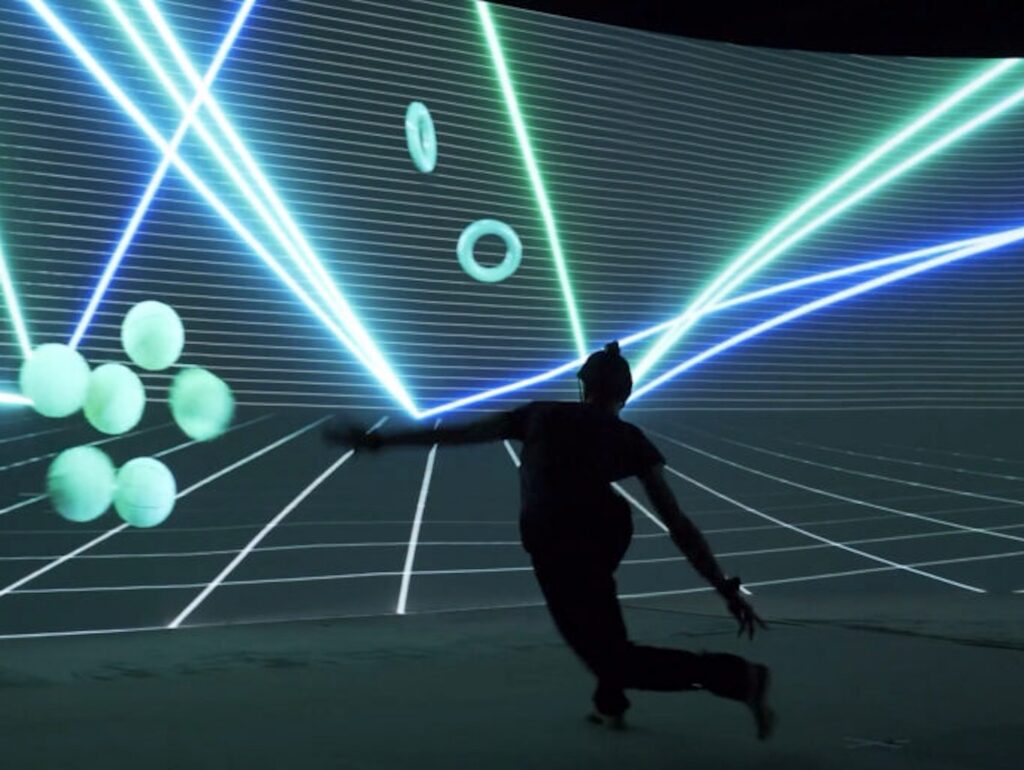
Through real-time 5G connections between Brighton Dome, The O₂ Blueroom, and Metropolis Studios in London, artists performed together live but remotely, enabled by ultra-low latency audio and video streaming. The final showcase featured 21 musicians collaborating across these three venues to live audiences in each location with Brighton Dome providing a real-world venue to prototype and stage the event.
Our collaboration has created some truly groundbreaking technology programmes. Brighton Dome is an ideal place to demonstrate why deep tech-led experiences offer a fresh perspective for engaging new and existing audiences in novel ways. Not only do these multisensory experiences bring history to life, but they also tell stories that appeal to and resonate with all ages, effectively combining education with entertainment.
Jessica Rushworth Chief Partnerships Officer, Digital Catapult
We saw our role as the champions of the live experience and to be the bridge between the potential that 5G offers and the experience for artists and audiences. Right from the start, 5G Festival could have been an experiment, which only focused on the online consumption of music and culture. It was important to explore what the experience would be for the audience in the room and whether the technology could have a real and meaningful impact.
Andrew Comben Former chief executive of Brighton Dome & Brighton Festival
With the pandemic firmly in the rearview mirror, in April 2023, Digital Catapult and BDBF launched a new audience-centric innovation initiative: HeritageXR. This programme focused on immersive heritage storytelling, working with three creative startup studios to develop augmented reality (AR), ambisonic audio, and 5G-powered experiences that reimagined the history of Brighton Dome’s historic Corn Exchange through site specific digital installations the brought forgotten histories to life. The temporary experiences allowed visitors to immerse themselves in Brighton Dome’s rich architectural and social history.
Originally constructed as the Prince Regent’s Riding House and part of Brighton’s Royal Pavilion Estate, the Corn Exchange boasts a rich and varied history: from serving as a hospital during World War I to playing a key role during Brighton’s suffragette movement.
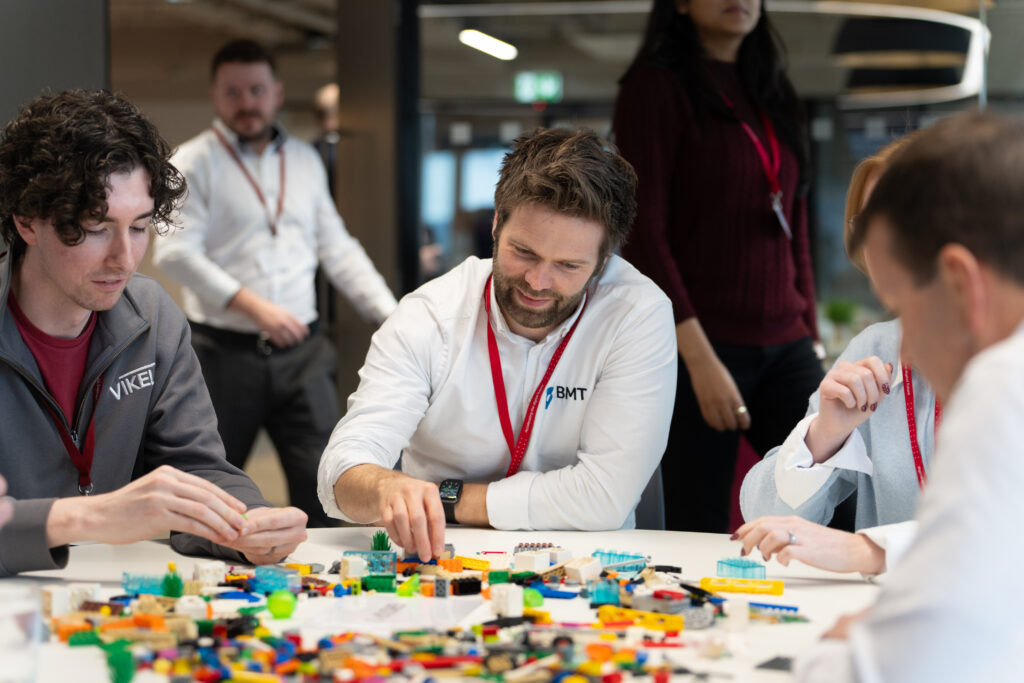
In November 2024, Digital Catapult and BDBF co-hosted a workshop for creative studios, academic partners and tech developers at “Anita’s Room,” a new creative experimentation space within Brighton Dome, to explore how augmented and virtual reality, 5G, and interactive audio were helping to shape new forms of performance, audience interaction, and storytelling. The results of the workshop showed that there was a significant barrier for integrating advanced connectivity technologies like 5G into creative storytelling and performance: large knowledge and skills gaps existed within creative teams and artist-led projects to fully understand how best to engage with, and exploit, the potential offered by 5G.
The impact of Digital Catapult and BDBF’s partnership in Brighton is rooted in pioneering initiatives that have helped position the city as a national leader in immersive, creative, and advanced connectivity technology innovation. Our collaboration over ten years delivered significant technical breakthroughs that have redefined how audiences experience art, history, and live events in the digital age.
Looking to the future, whilst opening one of the first cultural venues kitted out with a 5G testbed and running a world-first 5G-enabled music festival, the challenge of developing sustainable deep tech driven solutions that enable artists and smaller creative collectives to effectively mesh their learnings with emerging technologies remains, as does converting these opportunities in a timely way as complementary technologies are rapidly developing to support artists and creators.
Read more about how Placemaking AI took part in the High Growth AI Accelerator delivered by Digital Catapult for BridgeAI, an Innovate UK programme.…
Discover all about the 5G Festival project: a world first immersive hybrid 5G powered festival

We invested £550,000 in our accelerator alum and deep tech startup, Camera Intelligence. Here’s why.